
First month flea FREE (*£3.49 P&P first month only)

Speedy same day dispatch**

12+ million flea & worm packs sold

Tailored to your pet


Blog Home

Flea
Ticks & Lice
Worming
Itch News
Itch Insights
Q&A

Why is my dog still getting ticks after treatment?
- By Hannah
-
- October 23, 2026
- 5 MIN READ
Your dog can still get ticks after treatment because some products require ticks to attach and feed before the medicine kills them. Finding a tick does not automatically mean treatment has failed, but repeated sightings are a reason to check your dog's protection plan.
How do dogs get tick bites?
Dogs pick up ticks when they brush against long grass, plants or shrubs where these parasites are waiting. Ticks live in long grass, woodland, heathland or overgrown gardens. Ticks cannot jump or fly, they actually crawl and climb onto passing animals. This means even a short walk can lead to a tick bite. Wildlife can also bring ticks into gardens, where they stay so tick bites on your dog can also happen in winter. However, your pet is most likely to get ticks between spring and autumn.
What do ticks on dogs look like?
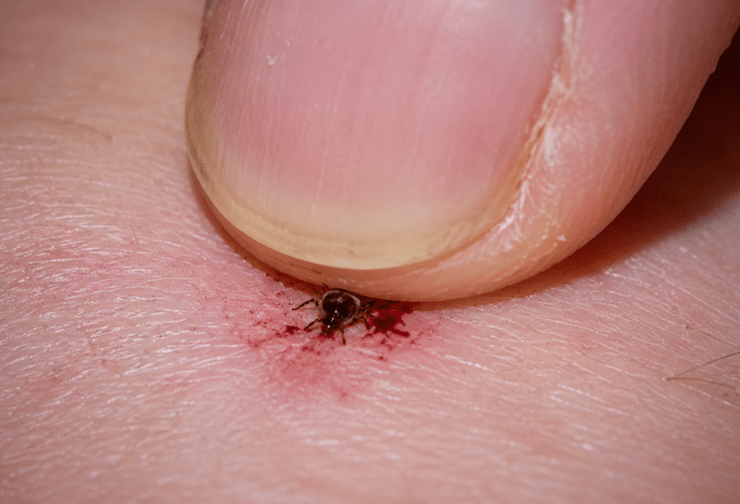
Ticks on dog skin can resemble tiny lumps or skin tags, especially before they have fed. Their colour varies, including brown, grey and pinkish shades. Look closely and you may see legs clustered near the head. Adult ticks and nymphs have eight legs, while larvae have six, although these can be difficult to see with the naked eye.
An engorged tick means the tick has fed on your dog’s blood and will be growing in size, looking like a small pea or bean. Smaller, unfed ticks are much easier to miss, especially under thick fur.
How to check for ticks on dogs
Run your fingertips gently through your dog's coat, then part the hair to inspect any bumps. Check around the ears, head, armpits, groin and tummy. You should check after every walk with your dog, especially during summer time.
Why do ticks bite dogs?
Ticks bite dogs to feed on their blood, which supports the tick’s development and reproduction. This means that a dog can get bitten by a tick, regardless of how clean or well groomed they are.
Should I be worried if my dog has a tick?
Some ticks carry bacteria that cause Lyme disease, although being bitten does not automatically mean your dog will become infected. That’s why removing a tick quickly and using tick prevention treatment is important as it helps reduce the risk of infection. Don’t be fooled. Tick treatments don’t guarantee that a safe pet, tick-borne diseases can still be transmitted but it is less likely when your dog is on preventative treatment.
Tick treatment for dogs
Tick treatments include tablets, spot-on products and collars. How they work and their effectiveness differs. Some kill ticks after attachment, while certain products also repel them. The best tick treatment for your dog should be based on your dog's age, weight, health, lifestyle and travel plans. Tailored treatment, like Itch Flea & Tick Treatment for Dogs ensures the preventative dose is safe and effective for your pet.
Even if you’re using tick treatment on your dog, don’t leave a tick attached to your dog if you spot it. Always remove a tick quickly instead of waiting for medicine to work. The best tick removal tool is a tick hook, not tweezers as these can leave some of the tick left in your dog which increases the risk of infection. See How To Remove A Tick On Dog here!
Why is my dog still getting ticks after treatment?
Here are the several reasons why your tick treatment is not working:
-
The tick treatment doesn’t repel ticks, it kills ticks once they're attached to your dog.
Many tick medicines act when ticks feed, so a newly attached tick may still be alive while the medicine takes effect. Repellent products can reduce attachment, but individual ticks may still bite.
-
The product needs time to work
Not all tick treatments kill ticks immediately, killing speed varies between medicines and tick species. Itch Flea & Tick Treatment kills ticks that attach onto your dog within 48 hours, fast and effective tick relief for your dog.
-
Protection has stopped or the dose is unsuitable
Missed a treatment? Or used the incorrect treatment dose for your dog’s weight? These mistakes can cause tick treatment to be ineffective. For puppies, weigh your dog weekly to ensure you use the correct treatment dose and protect your pet safely.
-
You've not followed the instructions correctly
For tick treatments tablets, the whole dose must be swallowed and some need to be given with food, otherwise they aren’t effective at killing ticks. For spot-on tick treatment, make sure to apply all of the medicine dose directly on the skin and let it dry for 48 hours.
How do I permanently get rid of ticks?
You cannot permanently get rid of ticks and stop them crawling onto your dog, forever. We promise you, no tick treatment will kill 100% of ticks and stop them coming back, so you never see a tick again. Trust us, it’s not going to happen. But you can prevent most tick bites with tick repellents and use vet-strength tick treatment, like Itch Spot-On Tick Treatment for Dogs to kill ticks if they do latch on your dog so you can limit the risk of infection.
To keep your dog tick-free, stay on top of your pet’s tick treatment schedule - The easiest way to do this is to have a tick treatment subscription for dogs which can deliver tick treatment, straight to your door, exactly when you need it so you never forget. Regardless of the tick medication your dog is on, always check your dog after walks and remove any attached ticks promptly. After removing a tick, watch for illness from the tick bite. Contact your vet if your dog develops lethargy, fever, reduced appetite, stiffness or limping, and mention the tick exposure. Lyme disease is one possible cause, and a vet should assess these symptoms even if your dog received tick treatment.
FAQs about failed tick treatment
-
What is the easiest way to stop ticks?
The best and most practical way to stop ticks being a problem for you and your dog, is to use high-grade tick repellent that is pet safe and then ensure your dog is on vet-strength tick treatment, like Itch Flea & Tick for Dogs which kills any ticks that get through the repellent in 48 hours.
-
What happens if you leave a tick on a dog for too long?
The longer a tick is left biting a dog, the longer it will feed on a dog's blood and the more likely it will cause infection through transmitting diseases. As soon as you spot a tick on your dog, use a tick-hook immediately to remove all of the tick and make sure to kill it afterwards to prevent your dog from another bite.
-
Will a tick eventually come out of a dog?
No, a tick will only let go and fall off if it is removed or tick treatment in the dog's system kills it. A tick's bite is strong and since ticks benefit from feeding on a dog's blood, the last thing they want is to let go.
Tailored tick treatment for all dogs.
Whether it’s your Labrador, Cockapoo, Terrier, Spaniel, Collie, Golden Retriever, or any other breed, Itch Flea Treatment is suitable and tailored for all dogs.
Itch Flea kills all adult fleas on your dog in 24 hours and kills ticks in 48 hours. Delivered for free, every month, exactly when you need it. Get your first month FREE when you sign up today!
Shop now

Share


Itching for more?
What kills ticks instantly? Home remedies vs Tick treatments
Ticks are tiny parasites that attach themselves to humans and animals, feed on blood, and spread serious illnesses through tick bites. Whether you discover an embedded tick on your skin after a hike or notice ticks on your dog in the garden, your first question is usually the same... How do I get rid of ticks?
Many people turn to home remedies because they are easy, affordable, and often use ingredients already available in the house. But tick treatments are usually safer, and have faster and more reliable results. Not every method works immediately, and some natural repellents can even make tick removal more dangerous if used incorrectly. Carry on reading to find out how to remove a tick (and get the best results!), as well as the safest ways to deal with tick bites.

Keep getting tick bites? How to get rid of them effectively
No one likes a tick. Nor you or your pet. It’s not fun being bitten by a tick, especially if it’s more than once. We don’t blame you for panicking. Keep reading for our recommendations on how to stay tick-free.
